The Benefits of Pumpkin and Other Fall Superfoods for Dogs
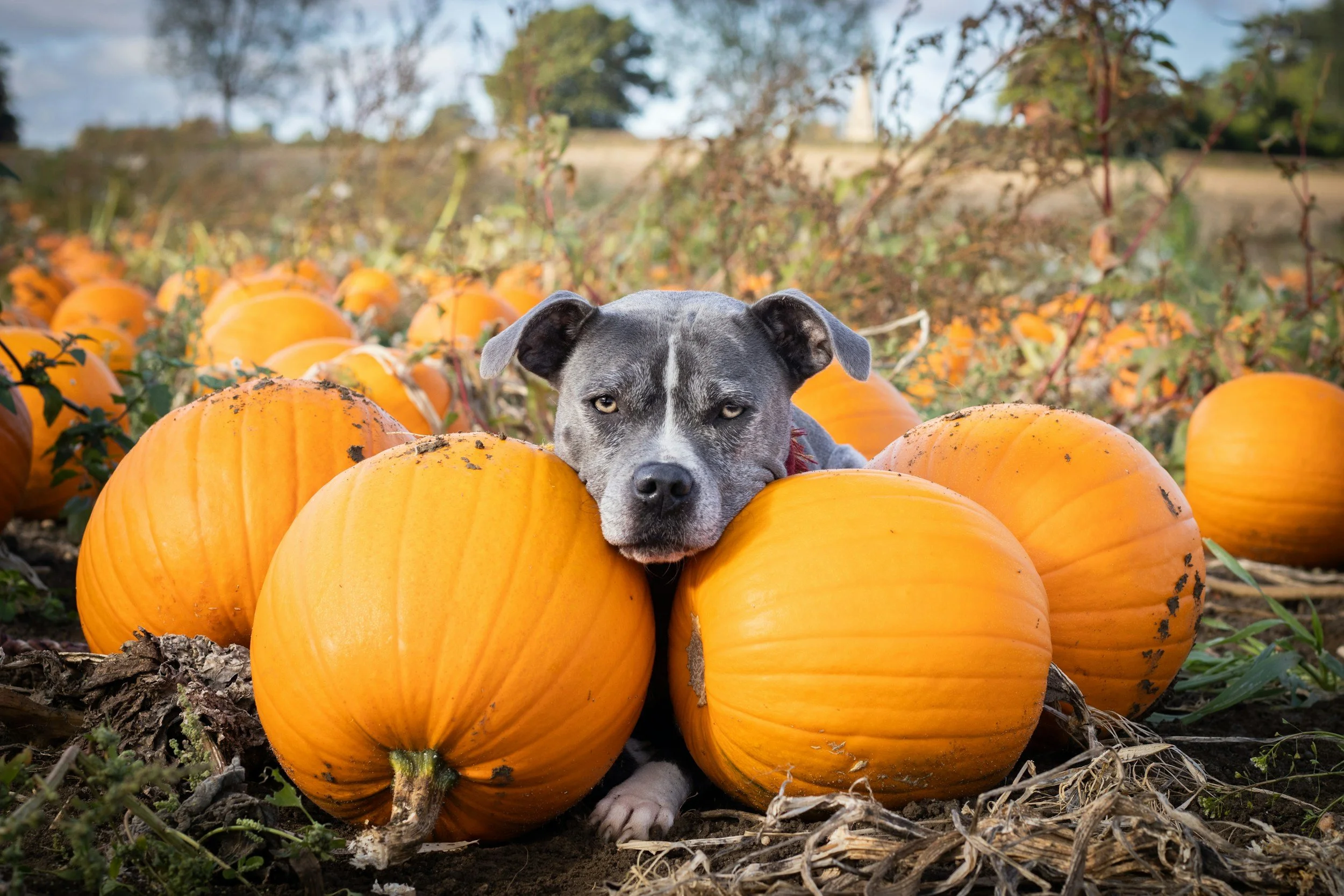
Pumpkin and other fall superfoods provide fiber, antioxidants, and essential nutrients to support your dog’s health during seasonal changes.
Fall brings not only cooler weather but also an abundance of seasonal foods that offer incredible health benefits for dogs. Pumpkin, along with other fall superfoods, can support digestion, immunity, and overall wellness when incorporated thoughtfully into your dog’s diet.
Denise Bozenski, founder of Revive & Thrive Canine Wellness, shares, “Seasonal foods like pumpkin are nutritional powerhouses. They provide fiber, antioxidants, and essential vitamins that help maintain digestive health and support the immune system as the seasons change.”
Learn more about Denise HERE!
Why Pumpkin Is a Fall Favorite for Dogs
Pumpkin is rich in soluble fiber, which aids digestion by regulating bowel movements and soothing the gut. It’s also packed with beta-carotene, a precursor to vitamin A, supporting healthy skin, vision, and immune function.
“Many dog owners turn to pumpkin to help with occasional digestive upset or constipation,” Denise notes. “It’s gentle, nutritious, and versatile.”
Learn more about gut health in our blog, Gut Health in Dogs: Why It's So Important.
Other Fall Superfoods to Consider
Sweet Potatoes
Sweet potatoes are an excellent source of complex carbohydrates, fiber, and vitamins B6 and C. They support sustained energy release and promote gut health.
Apples
Apples provide antioxidants, fiber, and vitamin C. When given without seeds, they make a crunchy, hydrating treat that can support immune health.
Cranberries
Cranberries are rich in antioxidants and have natural anti-inflammatory properties. They may help support urinary tract health.
Carrots
Carrots are loaded with beta-carotene and fiber. They promote dental health and provide a satisfying low-calorie snack.
How to Safely Introduce Fall Superfoods
Start by introducing new foods gradually, watching for any digestive reactions. Always serve plain, cooked, or raw forms without added sugars, spices, or salts.
Denise advises, “While these foods are generally safe, moderation is key. Too much fiber at once can cause digestive upset.”
Learn how to transition your dog's diet in our blog, How to Transition Your Dog to a Fresh Food Diet.
Integrating Fall Superfoods into Your Dog’s Diet
Add small portions of cooked pumpkin or sweet potato to meals, or offer fresh apple slices and raw carrots as snacks. Cranberries can be given fresh, dried (unsweetened), or as supplements formulated for dogs.
“Using whole foods alongside a balanced diet supports your dog’s health naturally and deliciously,” Denise says.
When to Consult a Professional
If your dog has specific health conditions, such as diabetes or kidney issues, consult your holistic coach or veterinarian before introducing new foods. Personalized guidance ensures safe and effective nutrition.
Curious how your dog can benefit from fresh food diet? Check out our blog, The Benefits of a Fresh Food Diet for Dogs: Raw & Home-Cooked.
Denise concludes, “Seasonal superfoods are wonderful tools to enrich your dog’s diet, but they work best when tailored to your dog’s individual needs.”
Adding pumpkin and other fall superfoods to your dog’s diet is a simple, holistic way to boost health and enjoy the season together. Ready for personalized nutritional advice? Contact Revive & Thrive Canine Wellness for expert support. Get started HERE!
FAQs
Can I feed my dog canned pumpkin?
Yes, but choose plain, unsweetened pumpkin without additives or spices.
How much pumpkin should I give my dog?
Start with one teaspoon for small dogs and up to one tablespoon for larger dogs, adjusting as needed.
Are fall fruits safe for dogs?
Most are safe in moderation, but avoid seeds and pits. Always introduce new foods slowly.