Gut Health in Dogs: Why It's So Important
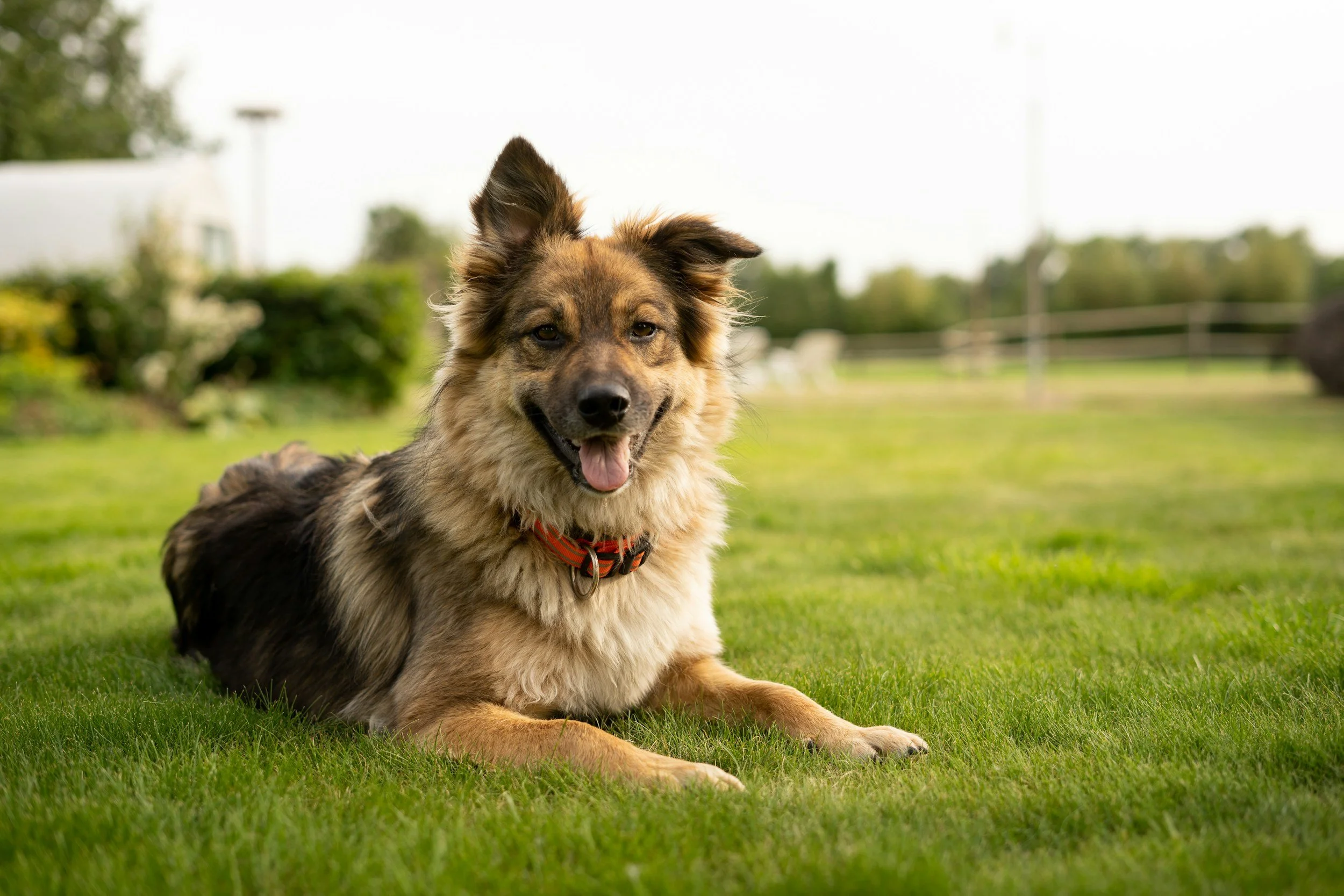
Gut health is the foundation of your dog’s overall well-being. Learn how to keep their digestive system in balance for a happier, healthier pup.
Just like in humans, gut health plays a vital role in a dog’s overall well-being. The gut is responsible for digesting food, absorbing nutrients, and supporting the immune system. When the gut is in balance, your dog can thrive, but when it’s not, it can lead to a host of issues. In this blog, we’ll explore why gut health is so important for dogs and how you can support it.
What is Gut Health?
Gut health refers to the balance of bacteria and other microorganisms that live in the digestive tract. These beneficial microbes help break down food, fight harmful bacteria, and maintain a healthy immune system. A well-balanced gut microbiome contributes to better digestion, a stronger immune system, and overall health.
Denise Bozenski, a holistic pet health coach, explains, “Gut health is foundational to a dog’s overall wellness. If their gut isn’t in good shape, it can lead to a cascade of issues, affecting their digestion, skin, and even behavior.”
Learn more about Denise HERE!
The Role of the Gut in a Dog’s Health
The gut is responsible for several essential functions, including:
Digestion
The gut breaks down food and absorbs nutrients. Without a healthy gut, your dog may struggle with digestion, leading to conditions like diarrhea, constipation, or bloating.
Immune Support
A significant portion of the immune system is located in the gut. A healthy microbiome helps prevent infections by fighting off harmful bacteria.
Skin and Coat Health
Poor gut health can often manifest in skin problems such as dryness, itching, or hot spots. A well-balanced gut microbiome supports healthy skin and a shiny coat.
Mental Health
Believe it or not, the gut and the brain are closely connected. An imbalanced gut can contribute to anxiety, stress, and even behavioral changes.
Denise adds, “A lot of pet parents don’t realize how much the gut influences their dog’s behavior. An unhappy tummy can lead to a dog that feels anxious or irritable.”
To learn more on how a holistic lifestyle can help your dog's gut health, check out our blog, Exploring Holistic Pet Health Care.
Signs of Poor Gut Health in Dogs
It’s important to keep an eye out for signs of poor gut health in your dog. Some common symptoms include:
- Digestive issues (diarrhea, constipation, bloating)
- Skin problems (itching, hot spots, rashes)
- Chronic ear infections
- Weight loss or difficulty gaining weight
- Low energy or lethargy
- Anxiety or behavioral changes
If you notice any of these signs, it might be time to look into your dog’s gut health.
Supporting Gut Health in Dogs
There are several ways you can support and maintain your dog’s gut health:
Probiotics
Probiotics are beneficial bacteria that can help restore balance in your dog’s gut microbiome. Adding probiotic-rich foods like yogurt or supplements can support digestion and immune health.
Prebiotics
Prebiotics are non-digestible fibers that feed beneficial bacteria. Foods like sweet potatoes, pumpkin, and carrots are great natural sources of prebiotics.
High-Quality Diet
A balanced, nutrient-rich diet with high-quality protein is crucial for gut health. Avoiding processed foods and fillers can help reduce inflammation and promote a healthier gut.
Hydration
Ensuring your dog stays hydrated is important for digestion and nutrient absorption. Fresh water should always be available, and adding wet food to their diet can help with hydration.
Reduce Stress
Chronic stress can harm your dog’s gut microbiome. Regular exercise, mental stimulation, and a calm environment can help keep their stress levels low.
Denise recommends, “When in doubt, focus on a whole-food, balanced diet with clean ingredients. This can do wonders for your dog’s gut and overall health.”
Learn about the additional benefits of a whole food diet on our blog, The Benefits of a Fresh Food Diet for Dogs: Raw & Home-Cooked.
When to Consult a Professional
If your dog is showing signs of gut imbalance, such as frequent diarrhea, vomiting, or drastic weight changes, it’s important to consult a veterinarian. They can help diagnose underlying conditions like food allergies, infections, or gastrointestinal disorders. Additionally, a holistic pet health coach can help create a customized plan to support gut health naturally.
Is your dog showing signs of poor gut health? Book a consultation with Denise today to discuss how you can support their digestion and overall well-being. Get started HERE!
FAQs
Can gut health affect a dog’s behavior?
Yes, gut health is closely linked to a dog’s mood and behavior. An imbalance in the gut can contribute to anxiety, irritability, and even aggression.
What are some natural ways to improve gut health in dogs?
Probiotics, prebiotics, a high-quality diet, and plenty of water are great natural ways to support your dog’s gut health.
How do I know if my dog’s gut health is off?
Look out for signs such as digestive issues (diarrhea, constipation), skin problems, weight fluctuations, low energy, and behavioral changes.