Understanding and Supporting Your Dog’s Immune System Holistically
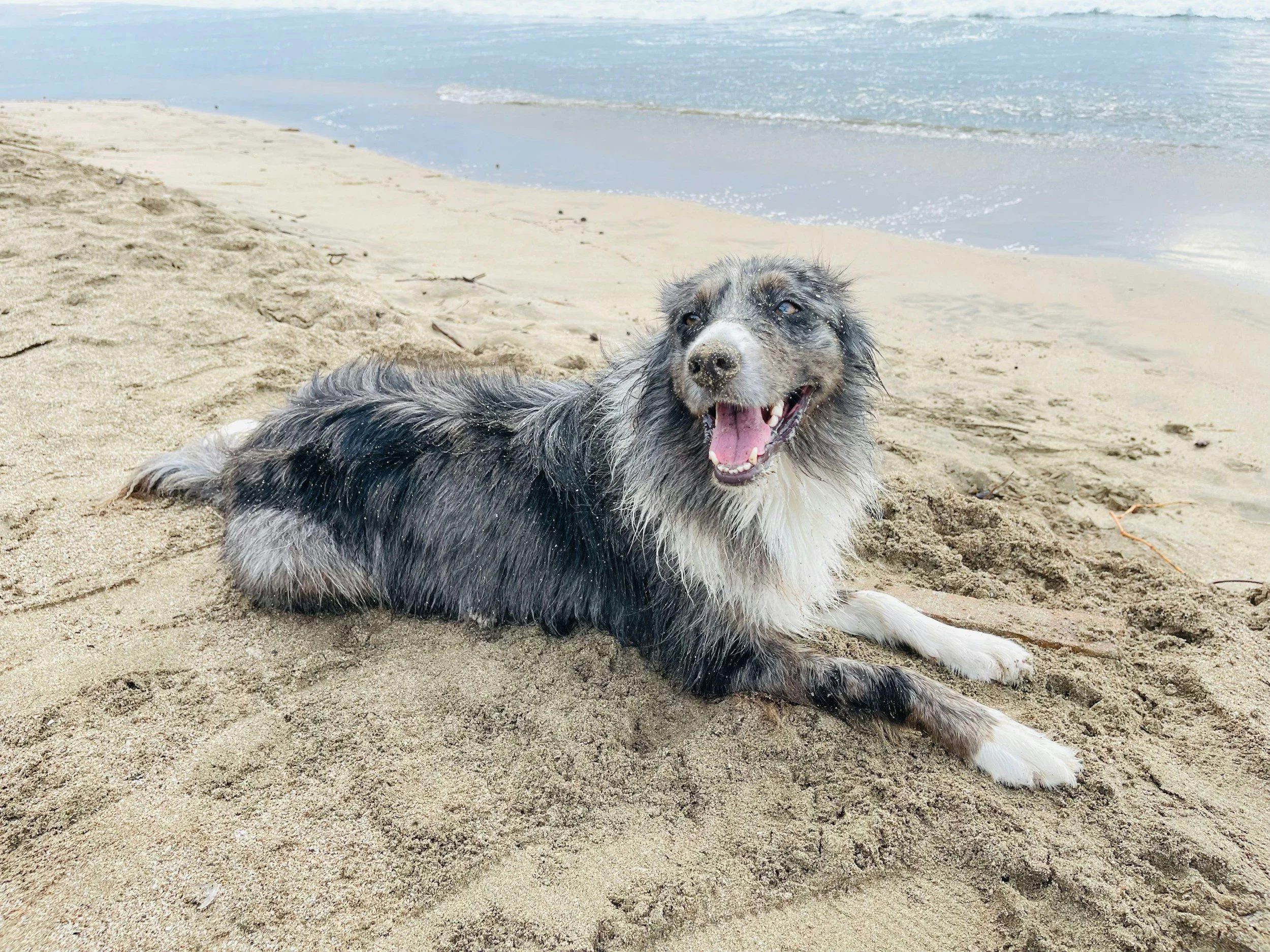
Fresh air and natural environments like the beach help support your dog’s immune system by reducing stress and promoting overall well-being.
A strong immune system is the cornerstone of your dog’s health. It protects against infections, supports healing, and helps maintain balance within the body. But like humans, dogs’ immune systems can be affected by stress, diet, environment, and lifestyle factors. Taking a holistic approach to immune support helps optimize your dog’s defenses naturally and effectively.
Denise Bozenski, founder of Revive & Thrive Canine Wellness, explains, “The immune system isn’t just about fighting off illness—it’s about maintaining balance in the whole body. Supporting it means looking at nutrition, stress, rest, and environment as interconnected pieces.”
Learn more about Denise HERE!
What Is the Immune System and Why Is It Important?
Your dog’s immune system is a complex network of cells, tissues, and organs that identify and neutralize harmful agents like bacteria, viruses, and toxins. It also helps the body recognize and repair damaged cells, keeping your dog resilient against disease.
When the immune system is functioning well, your dog stays healthy and recovers faster from injuries or infections. When it’s compromised, your dog becomes more susceptible to illness, inflammation, and chronic conditions.
Common Signs of Immune Imbalance in Dogs
- Frequent infections or illnesses
- Slow healing of wounds
- Allergies or skin issues
- Digestive upset and poor nutrient absorption
- Excessive fatigue or low energy
- Recurring inflammation
If you notice these signs, it may indicate your dog’s immune system needs extra support.
Holistic Strategies to Support Immune Health
Nutrition: The Foundation of Immunity
Whole food nutrition rich in antioxidants, vitamins, and minerals supports immune cell function. Fresh, species-appropriate diets that avoid fillers and artificial additives reduce inflammation and toxin exposure. Denise advises, “Feeding nutrient-dense, bioavailable foods gives your dog’s immune cells the tools they need to protect and repair.”
Incorporate superfoods like blueberries, pumpkin, turmeric, and leafy greens to boost antioxidant intake.
Learn more about how a fresh food diet can benefit your dog in our blog, The Benefits of a Fresh Food Diet for Dogs: Raw & Home-Cooked.
Manage Stress and Promote Emotional Balance
Chronic stress suppresses immune function. Mental wellness practices, including enrichment, calming bodywork, and positive human-animal bonding, reduce stress hormones and strengthen immunity. “Stress management isn’t a luxury—it’s a necessity for dogs’ immune resilience,” Denise shares.
Prioritize Rest and Recovery
Adequate sleep and rest allow the immune system to repair and regenerate. Provide a quiet, comfortable space free from disturbances where your dog can fully relax.
Wnat to know more about rest and its benefits? Read our blog, The Importance of Sleep and How to Improve It for Your Dog.
Reduce Environmental Toxins
Exposure to chemicals, pollutants, and household toxins challenges the immune system. Using natural cleaning products, avoiding harsh pesticides, and ensuring clean air and water helps minimize this burden.
Support with Targeted Supplements
Certain supplements can enhance immune function. Omega-3 fatty acids reduce inflammation, while antioxidants like vitamin C and E protect cells. Probiotics support gut health, which is closely tied to immunity. Denise recommends, “Work with a holistic pet health coach to choose supplements that fit your dog’s unique needs and avoid overloading.”
The Gut-Immune Connection
Up to 70% of immune cells reside in the gut-associated lymphoid tissue. A healthy gut microbiome educates and modulates immune responses. Feeding probiotics, prebiotics, and fermented foods can improve this critical relationship.
Learn more about the importance of gut health in our blog, Gut Health in Dogs: Why It's So Important.
When to Seek Professional Guidance
Persistent immune challenges or autoimmune conditions require professional support. Holistic veterinarians and certified pet health coaches can develop personalized plans integrating diet, lifestyle, and natural therapies.
Denise reminds, “Every dog’s immune system is unique. Tailored holistic care unlocks their natural healing potential.” Ready to get your personalized wellness plan for your dog? Contact Revive & Thrive Canine today to schedule a free discovery call. Get started HERE!
FAQs
Can stress really impact my dog’s immune system?
Yes. Chronic stress elevates cortisol, which suppresses immune cell activity and increases susceptibility to illness.
Are supplements necessary for immune support?
Not always. A balanced diet and lifestyle are foundational, but supplements can provide targeted support when needed.
Learn more about herbal supplements in our blog, Herbal Supplements for Dogs: How They Can Help Your Pup Thrive.
How does gut health affect immunity?
The gut microbiome trains and modulates the immune system. Poor gut health can lead to immune dysfunction and inflammation.